It has only been a month since our last newsletter, but there is so much news to share from both departments and across the UC Davis campus.
For those who knew and admired Anita Oberholster, there will be a celebration of life on Monday, May 12, from 2:00 to 5:00 pm to honor and remember her. Please join us at the UC Davis Conference Center to share memories and stories or join the livestream if you cannot attend in person.
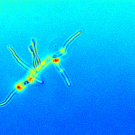
Yeast is an excellent microorganism used for fermenting foods into beer, wine and cheese. However, unwanted yeasts can also spoil dairy products, fruit juices, and more. Currently, yeast identification methods take a long time to process, but many foods are already on the market before then. To combat these problems, UC Davis researchers Hyeon Woo (Howard) Park, J. Mason Earles, and Nitin Nitin experimented with deep learning to create a yeast classification model that can provide accurate results in 1/20 of the typical time.
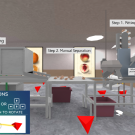
Think of the smell of freshly baked cookies or the sound of biting into a crisp chip. These are all attributes that make food so memorable and enjoyable. Food sensory science measures the appearance, aroma, taste, mouthfeel and texture with either machinery or human opinion to understand why consumers gravitate towards specific foods.
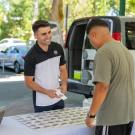
Strawberries are known for their vibrant color, juicy texture, and sweet flavor. With more than 100 different varieties of strawberries, UC Davis put four to the taste test! The community gathered to try four varieties or cultivars from the UC Davis Strawberry Breeding Program and voted on their favorite by the end of the night. After the event, Guittard Chocolate Company donated chocolate to pair with the strawberries.
Driven by his passion for food science and brimming with ideas, UC Davis student Dion Skaria created Fit Candy – a nutritious treat that blends sweet and sour flavors while reducing food waste. This innovative gummy candy is crafted from upcycled watermelon rinds.
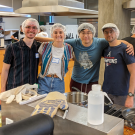
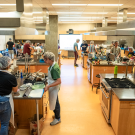
Georgian cheese bread, cilantro-blackened fish tacos, quesabirria tacos with seitan and cinnamon sugar churros – four culinary creations but only one was crowned winner of the Upcycled Iron Chef Competition at UC Davis.
The University of California, Davis, is leading the establishment of a new Integrative Center for Alternative Meat and Protein, or iCAMP. The center will work toward large-scale commercialization and technological advancement of alternative proteins, including cultivated meat (from animal cells grown in large fermentors), plant- and fungal-based foods, and innovative hybrids that combine conventional meat products with alternative proteins.